Patrick Tresset
Seven Traits
Artist
Patrick Tresset
Edition
98 unique pieces
Price
$300
Release Date
March 10, 2026
Seven Traits
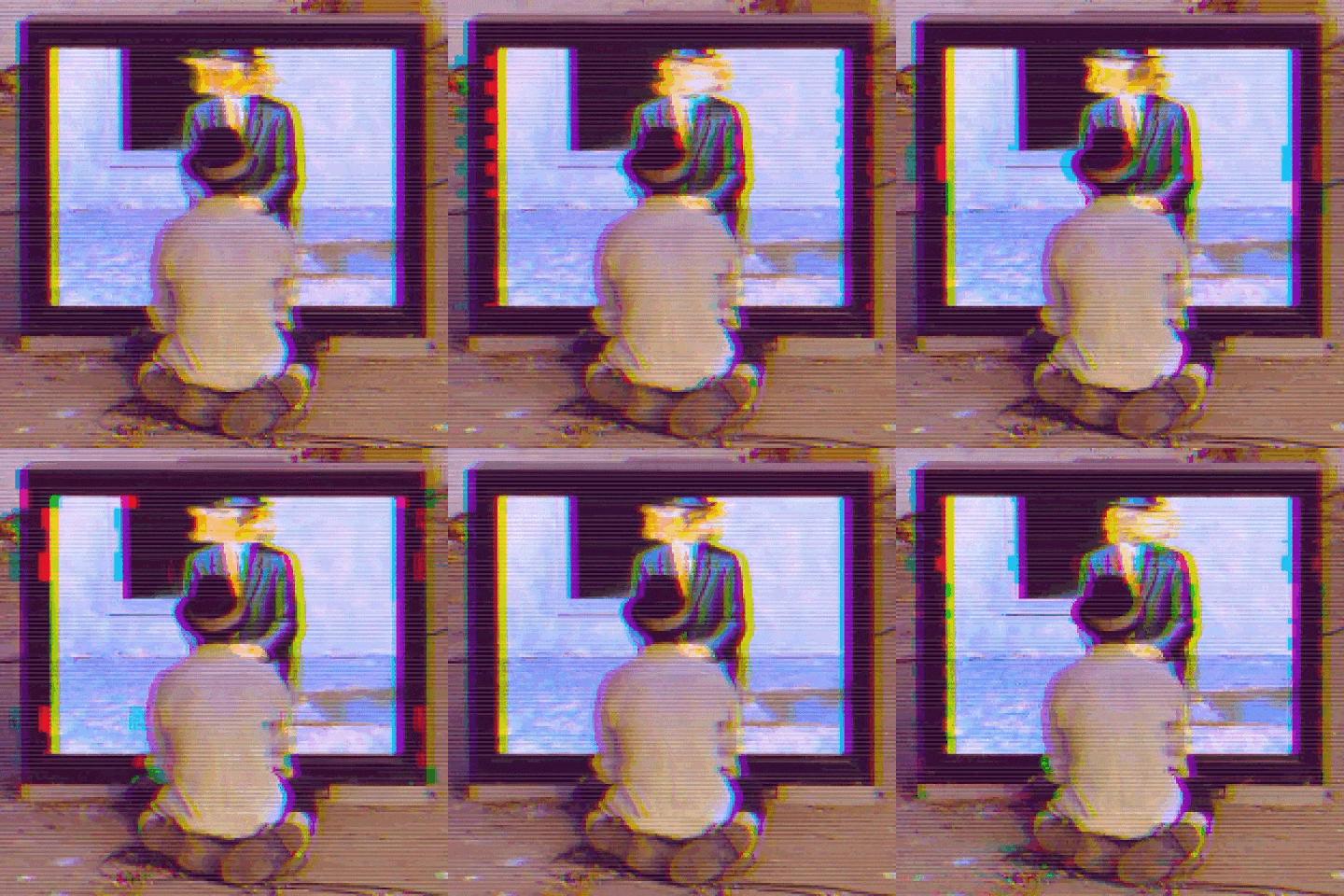
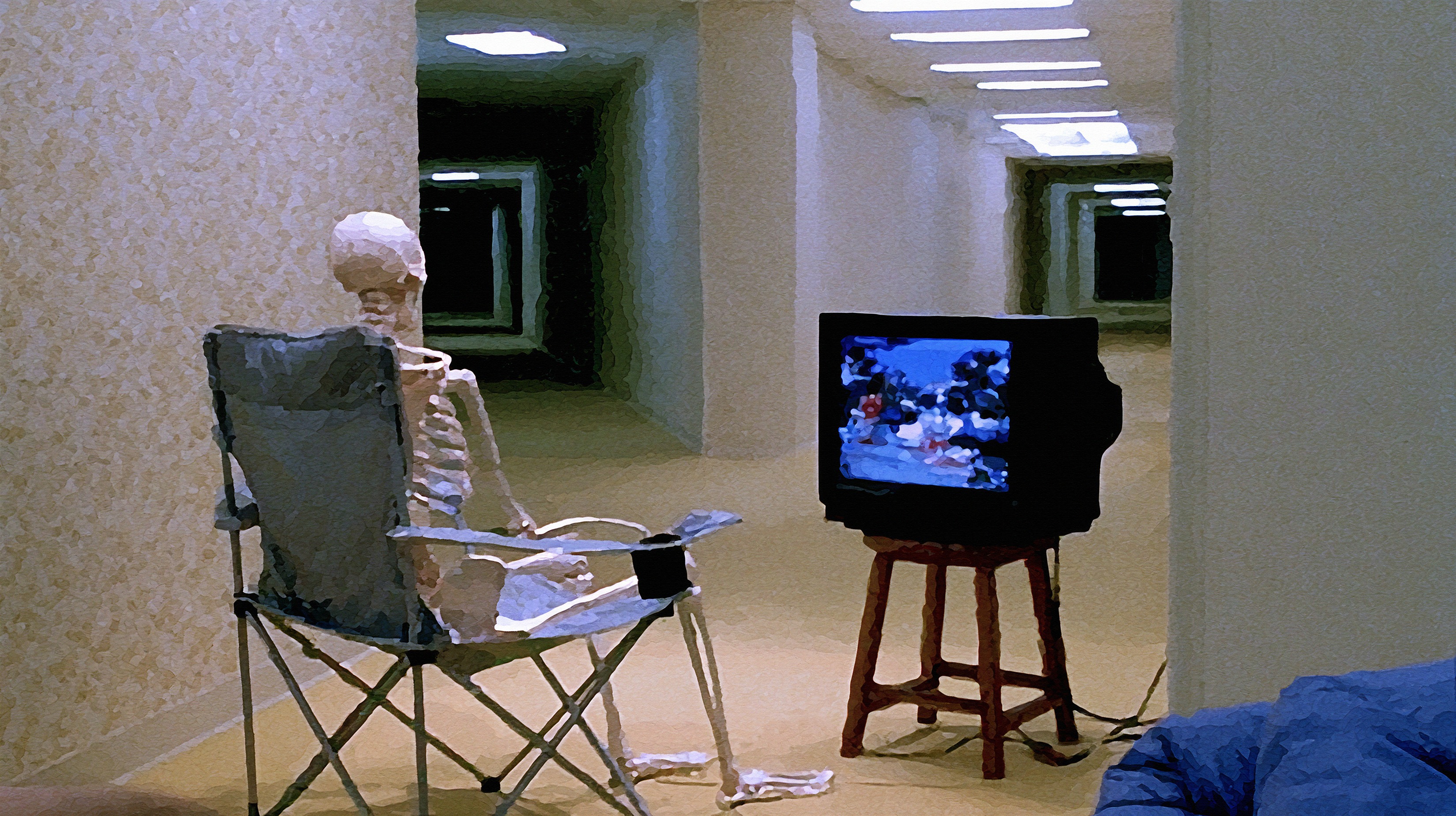
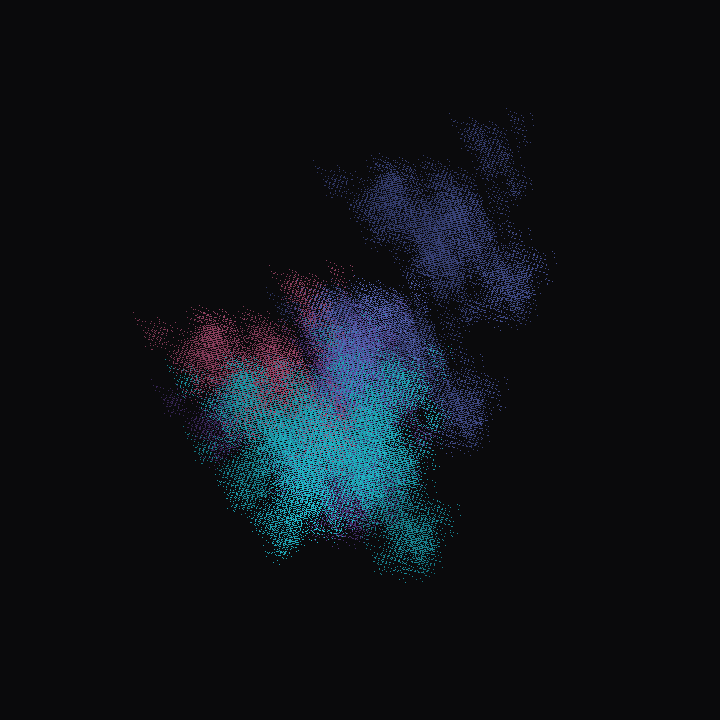
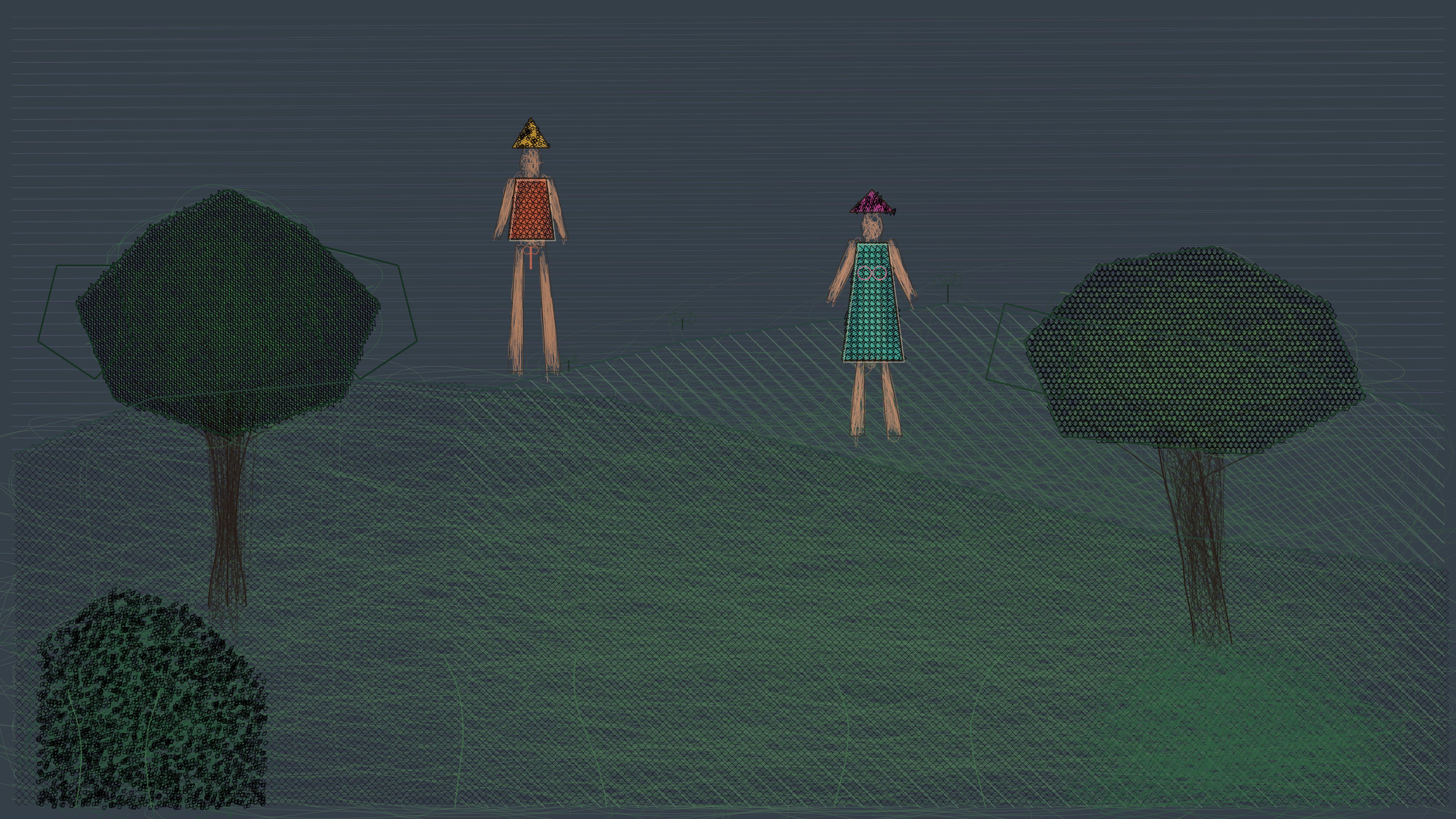
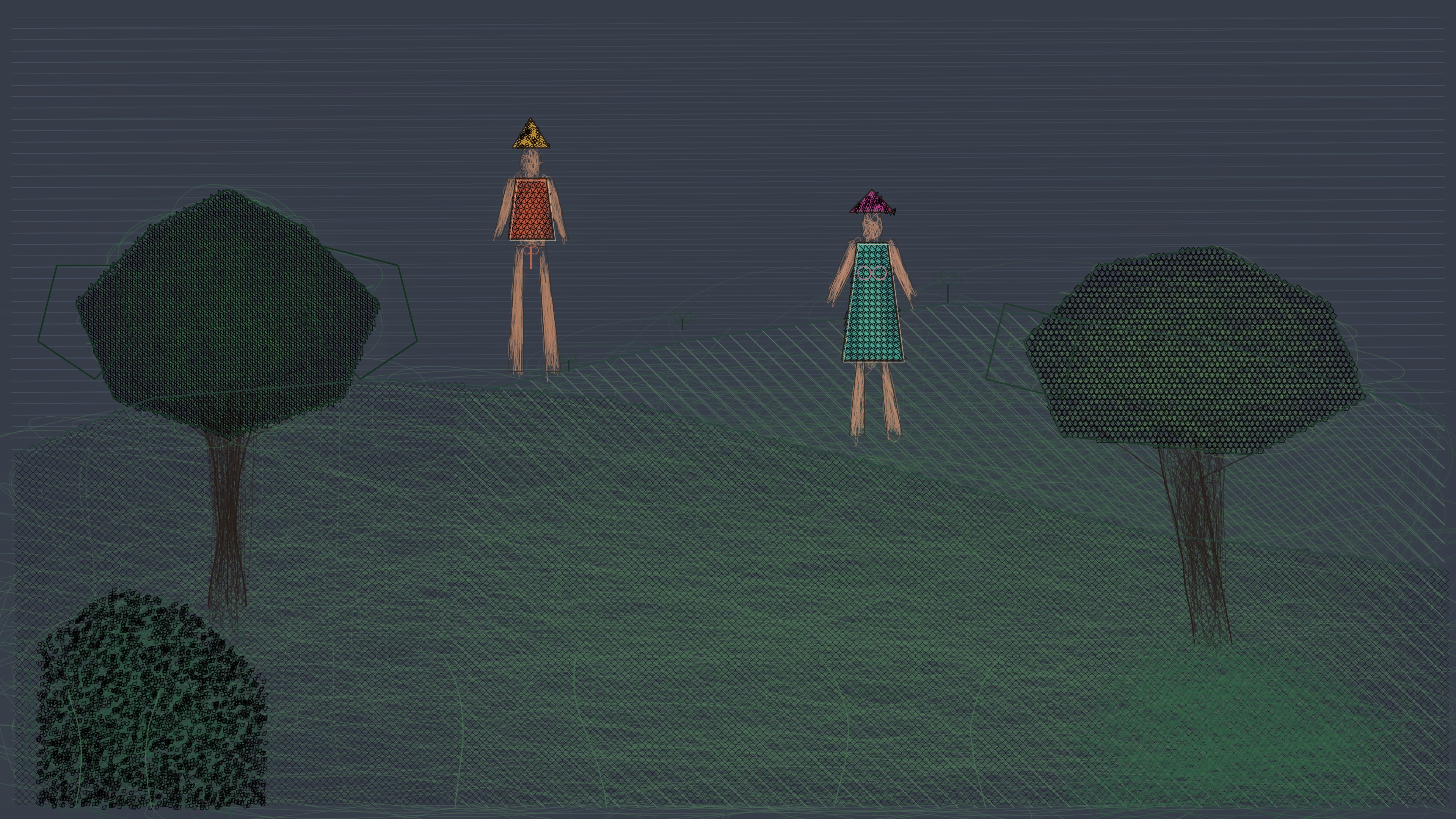
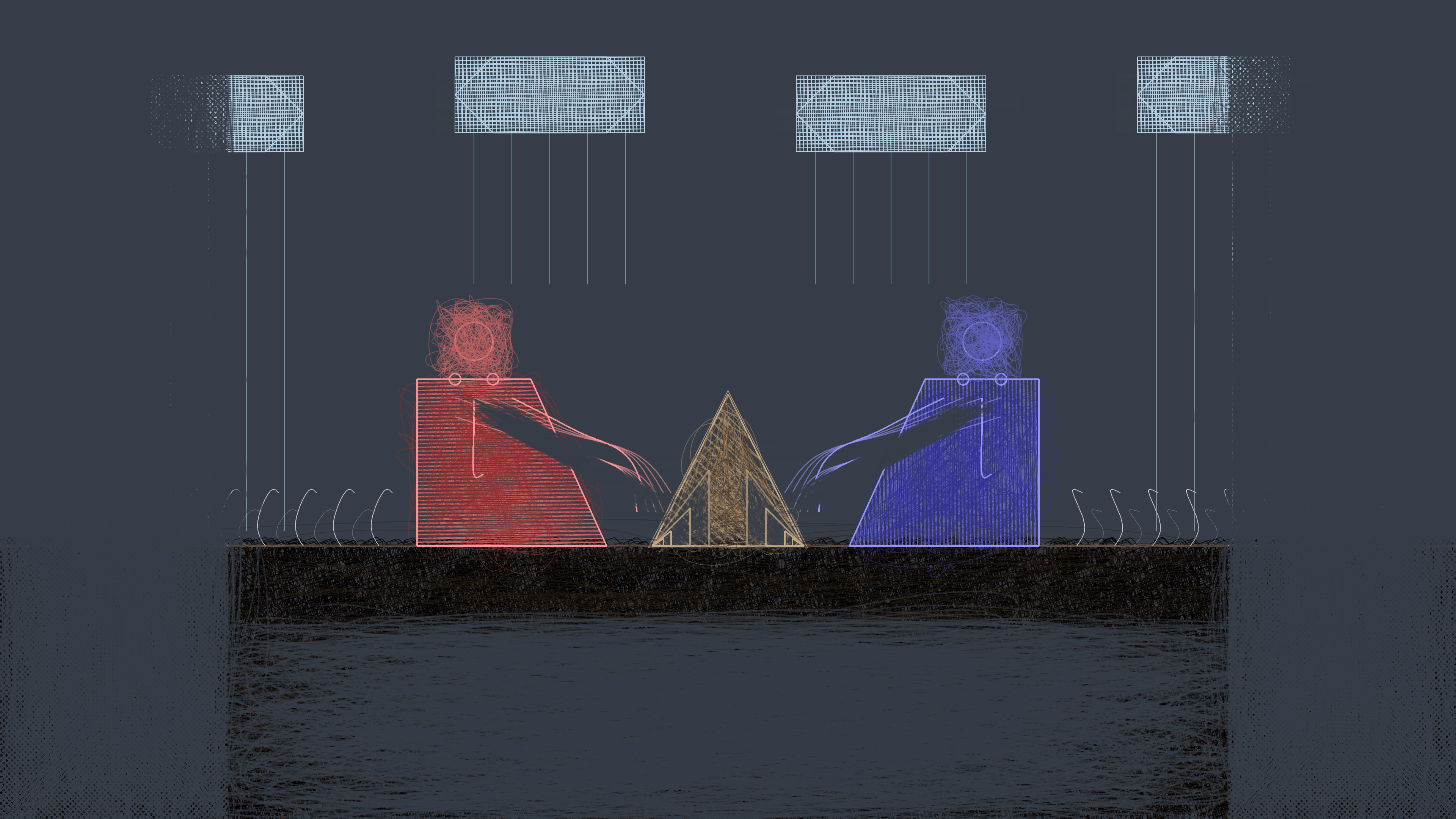
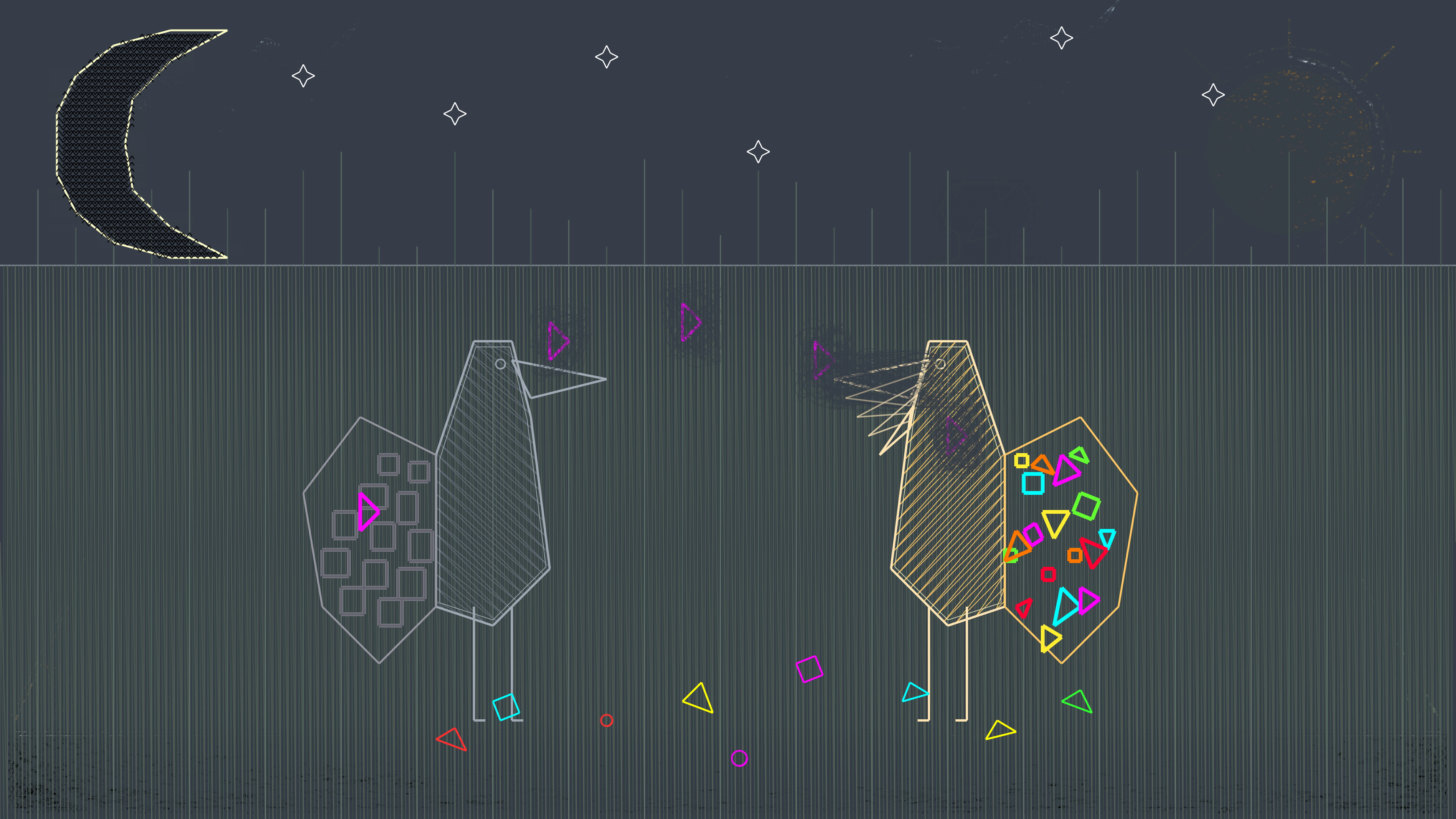
A series of animated and still images by French contemporary artist Patrick Tresset that depict fables about our traits, produced through a collaboration between two AI agents: a storyteller and an artist.
The animation process unfolds on a single surface, using a cycle of drawing, erasing, wiping, and overdrawing to depict the passage of time, a technique Tresset compares to the moving drawings of William Kentridge. Rather than forcing a style onto the agent, the artist equipped it with only simple tools: lines, circles, splines, hatchings and scribbles.
As with his previous works, Tresset continues to explore traditional themes in Western culture. Here, he returns to an ancient subject: the Seven Deadly Sins. It is a theme present throughout art history, from the stone facades of cathedrals, the paintings of Bosch and Bruegel, and the literature of Dante, to modern cinema as with Peter Greenaway, Steve McQueen.
In Seven Traits, Tresset looks at these same subjects but changes the perspective. The word "sin" implies an exceptional impulse, a lapse in judgment that one must actively resist. Tresset, as others have done, sees it differently: humans possess these behaviors as their default state. The human effort is not in resisting temptation, but in the impossible effort to evolve away from baseline programming.
For Tresset, the pull toward this subject is also autobiographical. Culturally he is Catholic; it is an inescapable foundation. He grew up in a small town dominated by a massive cathedral, in a family that even had its own priest to perform our baptisms and weddings. It is impossible not to be shaped by this history.
In his practice Tresset never focuses directly on contemporary pressing issues such as untamed capitalism, or political and environmental disasters; instead, he sees these traits as the unchanging roots from which they all originate.
The agents
Although these multimodal models have a vast knowledge of human culture they do not have a visual perception or imagination, their understanding of the world remains semantic and statistical. Tresset observes that when the agent constructs an image, it is translating data tokens based on descriptions rather than recalling a visual memory. This computational approach strips away human emotional influence, resulting in a visual language that feels naive, cryptic, and akin to Art Brut. While human visual memory is influenced by emotions by psychology, the AI’s memory is probabilistic, causing the stories and compositions to develop in strange directions that diverge from what we would choose.
In this context Tresset views what technologists usually dismiss as "hallucinations" as assets. These divergences inject a strangeness and unpredictability into the fables, yet with a logic. Because the works operate on a different psychological frequency, they are not designed to grab the viewer's attention in a single glance. Instead, the work demands patience. To grasp the narratives the viewer must have a desire, and make a small effort towards the works, watching the animations multiple times and actively observing the shifting details.
The system used to produce this body of work is based on the research Tresset conducted as part of the EACVA project: where Markus Wulfmeier from DeepMind served as an advisor. The framework Tresset developed incorporates embodiment across various mediums, driving robotic installations as well as producing digital works, sculptures, and paintings. This research is a continuation of the concepts originally described in his paper "Artistically Skilled Embodied Agents," published in the proceedings of The Society for the Study of Artificial Intelligence and Simulation of Behaviour (AISB) in 2014.
Presented exclusively by Hash Gallery.
The Artist

Patrick Tresset
Patrick Tresset is a Brussels-based French artist known for performative installations that explore humanness through computational systems, AI, and robotics. He holds a Masters and MPhil in Arts and Technology from Goldsmiths College, London, and has served as a senior research fellow at the University of Konstanz and a visiting adjunct professor at the University of Canberra. Although focused exclusively on his art practice for the past decade, his research is referenced in over 300 academic publications.
Since 2011, Tresset has held sixteen solo exhibitions, participating in group shows at major museums including the Centre Pompidou and Grand Palais, Paris; Prada Foundation, Milan; V&A, London; MMCA, Seoul; Bozar, Brussels; Taikang Art Museum, Beijing; and the Mori Art Museum, Tokyo. Tresset's installations, paintings, drawings, and digital works are held in public and private collections and have been awarded by Lumen, Ars Electronica, the Liedts-Meesen Foundation, and the Japan Media Arts Festival, while in 2017 he was nominated as a WEF Cultural Leader. A monograph, Patrick Tresset: Human Traits and the Art of Creative Machines, was published in 2016.
Seven Traits is Tresset's most experimental body of digital work yet, marking a new period in his practice.